Why not make Aliyah? The Magic of the Exploratory Trip And Why Reality is Different
Exploratory trips before Aliyah are in the serious fun category. Things happen. Crazy people, weird circumstances, and existential threats are all normal for Israel. These experiences usually get chalked up to a good story to tell, a little color, hard proof that you were really there.
You eat something you've never tasted before and can't stop thinking about it. You find yourself walking streets that feel inexplicably familiar. People are “rude” to you in a way that is somehow charming. You may even find yourself thinking they have a point, while back in the diaspora people are a little too filled with hot air and not enough substance. This is refreshing, you think. Then you have a moment. On a quiet Shabbat, maybe sitting around a table, maybe just standing somewhere ordinary, where something shifts, and you think: I could actually do this.
That moment is real. Hold onto it. The feeling you had in that moment will be the first of many. These are the feelings that will carry you through the years ahead of regular moments, that also add up, and challenge that initial beckoning.
Beyond the Honeymoon: Embracing the Realities of Israeli Life
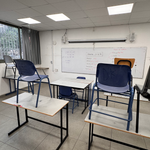
If you're making Aliyah with kids, they will surely have a blast on the exploratory trip. It goes without saying that no exploratory trip can prepare an American, British, or Australian child for Israeli school. Standing at the door of a classroom that appears to be in a state of active collapse, calculating the safest route to a seat in the back where nobody will talk to you is both a relief and its own particular loneliness. It doesn't show you smiling warmly and saying "thank you" to someone who just insulted you, because you caught the tone but not the words, and you won't find out until later what you actually said thank you for.

It doesn't show you the bank that ignored your inquiry and then charged an exorbitant fee they refuse to cancel, and you have no recourse. Their only response: You should have read the terms of our website more carefully before you signed. The phone call conducted entirely in a form of Hebrew that sounds nothing like ulpan.
Israelis are the best. Really. I am proud to be one. But what can I say… we excel in both directions.
The Unpredictable Beauty (and Frustration) of Israeli Daily Life
Although I've lived in Israel for decades, my memory is rather short when it comes to certain interactions with the public. I've raised three kids here. But my nerves can still get rattled from time to time. Usually at moments when I least expect it.
While I normally try to avoid grocery stores and crowds during holidays, yesterday, the 5th day of Passover, I made a quick run to the store for something I needed.
The shop itself was one of the top five least enjoyable of all time. The people seemed to be in a collective frenzy of advanced gluten withdrawal and mid-war trauma. Practically everyone seemed downright mean, but maybe I was the cantankerous one. With that being said, the grocery aisles overflowed, with oncoming shopping cart traffic in every possible direction. I put on my Jerusalem driving face and managed to make it down the aisles I needed with only dry wounds.
When I finally made it to the self-checkout area, I looked up and saw the familiar face of the Arab worker who usually mans this section. His wide smile of recognition melted most of my pent-up shopping aisle rage, and I met his large, warm smile with a smaller but more relieved grin of my own. Baruch Hashem, this saga is almost through.
I went over to my station and downed a protein drink from my cart. Smooth sailing from here. After I had emptied my cart onto the self-checkout platform, I tried to use the Passover gift card I had received from a kind employer to pay for the groceries, but the system kept rejecting it. The checkout manager noticed my plight and came over with the same friendly smile to ask if I needed help. After showing him the gift card on my phone, he easily showed me what I was doing wrong and then offered to throw away my empty protein drink container.
"Thanks," I said.
"Libriut!" He shot back in Hebrew. To your health.
I looked at the reduced price on the receipt and smiled. This isn't so bad after all.
Relieved to have survived the grocery ordeal, I went out to my car and loaded the bags into the trunk. I carefully left my shopping cart alongside my car for the next person to use. No need to shell out five shekels for a cart, just as someone else had done for me. (IYKYK)
From the driver's seat, I turned on the engine, inserted my phone in the car charger, and glanced at my podcast app, when I noticed a man in a black suit and kipa gesturing outside my window, something about the shopping cart. I couldn't hear him through the window, but I assumed he was asking if the cart was free. I enthusiastically nodded yes, smiled, and resumed my search for a drive-home podcast.
At that moment the whole car rattled, as the man slammed the shopping cart into the side of my car and ran off.
I unfastened my seatbelt and opened the car door. After a quick glance at the side of the car to assess the damage, I proceeded to shout things at him, while he shouted things back at me from a distance. It didn't seem like the damage was significant, and even if it was, there wasn't much I could do without major escalation. This guy had anger issues, and it could only go downhill from here. He had already run halfway across the parking lot. His own outburst must have rattled him too.
I thought about his wife and said a quick prayer.
This is life in Israel too.
Staying Anchored: Protecting Your "Why" When Life Gets Loud
Now, none of this is too tough for you and I. Dark thoughts surface for almost everyone, at some point, and Israelis who were born here are not immune to thoughts of leaving Israel for greener pastures and a saner lifestyle.

What's also true is that a country of people carrying the weight that Israel carries is going to express some rage in the parking lot, the street, the bomb shelter, or any other place where people can meet. More than once, probably. It's not personal, even when it feels personal. It's the pressure finding an exit, while you just happened to be there.
Staying connected to what you initially felt in that moment when you first knew this is your home, the only place in the world where you belong, before the exhaustion, the frustration, and all the other things that have piled up in your precious Zionist heart. That initial spark keeps the inspiration alive long enough for real life to catch up to it.
Easier said than done? No doubt!
The exploratory trip works at a particular level: sensory, emotional, personal. What are some ways to keep the initial spark alive and growing, over the days, years and decades after making aliyah?
How do you hold onto it, and how do you bring your family into it, before packing, buying your El-al tickets and job hunting?
Meet Your Guide: The Aliyah Dream Map Kit
The Aliyah Dream Map Kit was built for exactly this moment.
Map Your Journey: A Guided Reflection for Your Move
It's a 24-page guided experience you print at home and work through at your own pace, alone or together as a family. It combines journaling prompts, visual dream board exercises, and structured reflection. This is not a logistical Aliyah Planner, but a tool to map your Aliyah emotionally and even prayerfully. Where are you coming from? What are you actually hoping for? What does the life you're building here look like when you let yourself picture it honestly, without the noise of everyone else's opinions or fears?
These aren't abstract questions. They're the questions that determine whether you thrive here or spend years feeling like a guest in your own decision. Working through them on paper, in writing, with prepared images, and then your own pictures and words , makes them real in a way that shoving them in a corner or your heart never quite does. The result is a lovely frameable piece of your own Judaica art work. You might want to hang it somewhere special to remind you of your dream, as it unfolds in it’s own time. You can also give it to someone special who shares the same deam. Not into framing your own art? Even better! Snap a photo and use it as your phone wallpaper (vertical) or your computer screensaver (horizontal). The Aliyah dream kit will keep your Aliyah dream alive.
Involving Your Family: Building Resilience Together
For families, it does something additional. Kids who make Aliyah don't get to choose it, and they know that. The Dream Map gives them a place to have their own experience of this decision. The Aliyah dream map is where they express their own hopes, their own fears, their own vision of what their life here could look like. That matters. A child who has mapped their own dream of Israel, however small or specific, arrives more confident and prepared than one who was simply packed into a suitcase along with everything else. Let the children express their own Aliyah dreams (and inevitable grievances, misgivings and points of anxiety) so their parents can be aware of them, discuss them and support them better in the process.
An Anchor for the Hard Days: Keeping Your Dream Within Reach
The kit doesn't promise that no one will slam a shopping cart into your car during a gluten withdrawal on Pesah. It doesn't prepare you for the banks that close at 1pm while you’re still at work, or the particular loneliness of a hard day far from the people who know you best. What it does is give you something to return to when those days come. a record of your Aliyah dream, in your own handwriting, in your own images, made before the honeymoon set in.
Next year in Jerusalem starts now. L’shana Haba’a beyerushalayim.